Debt Relief Experts

Give Us 30 Minutes We'll Give You a Plan to be Debt Free
Licensed Insolvency Trustees & Credit Counsellors
Consumer Proposal · Bankruptcy · Debt Relief
Offices Across Ontario & the GTA
Book a Free No-Obligation Consultation
Hoyes Michalos has helped over 200,000 Ontario residents get out of debt since 1999
Hoyes, Michalos & Associates Inc. was founded in 1999 by Licensed Insolvency Trustees Douglas Hoyes and Ted Michalos to provide personalized service to help you gain a fresh financial start. In any of our Ontario locations you always meet with a licensed professional, never a clerk or a salesperson. We guarantee professional, respectful, expert advice that meets your needs. Give us 30 minutes. We’ll give you a plan to be debt free.
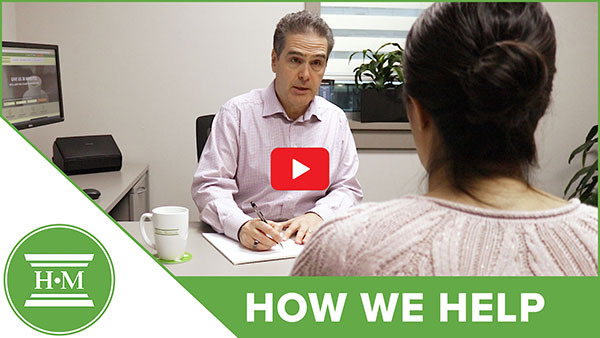
We help you get out of debt
Credit Card Debt
Barely making your minimum payments? Juggling multiple credit cards? We can help you consolidate your credit card debts into one reduced monthly payment.
Payday Loans
Payday loans cause financial stress because the interest accumulates faster than you can pay it off. We help you break the payday loan cycle.
Tax Debt Relief
Canada Revenue Agency will settle taxes through a Consumer Proposal. We can help negotiate a reduction in your tax debt liability and create an affordable payment plan.
Resolve Student Loans
If you have been out of school for 7 years, your government student loans can be discharged. We help you get relief from long term student debt.
Loans and Overdue Bills
Paying high interest on your bank loans? Behind on bill payments? We can stop collection calls, wage garnishments and lower your monthly payments.
Hoyes, Michalos & Associates Inc.
Consumer Proposal &
Licensed Insolvency Trustee
Debt Relief Experts











WE EXPLAIN ALL YOUR OPTIONS
No matter the financial difficulties you’re facing, Hoyes Michalos’ friendly trustees will help you get back on track

Consumer Proposal
A consumer proposal is a deal you make with your creditors to settle your debt for less than you owe. You can reduce your monthly payments by up to 80%. A proposal allows you to keep your home, car and tax refunds.

Personal Bankruptcy
Bankruptcy is a legal process where a debtor who cannot repay their debts can be discharged from their obligation to pay back those debts. Bankruptcy can stop collection calls and give you a fresh financial start.

Debt Relief Solutions
Our Licensed Insolvency Trustees can help you find the best way to eliminate your debt, stop collection calls, stop wage garnishment, and make your payments more affordable. We can help you avoid bankruptcy.

Friendly & Professional
Friendly Local Trustee

99% Success Rate
Consumer Proposal Acceptance

Zero Upfront Fee
Debt relief with No Pressure

Licensed & Certified
Trustee not a sales person
See what your payments might be
Our Licensed Professionals will help you explore your debt relief options.
Arrange a free consultation in any of our locations across Ontario today.
CHOOSE AN OFFICE NEAR YOU
Arrange a free consultation in any of our locations across Ontario
including nine offices across the Greater Toronto Area.
Featured on:


Industry Insights: