Our knowledgeable team of Licensed Insolvency Trustees provide information and expert advice to help you on your way to becoming debt free. Our extensive debt help resource centre includes articles, videos, and podcasts on how to get out of debt including commonly asked questions about consumer proposals, bankruptcy, and debt consolidation options. Become informed about credit rebuilding and other money management tips as you search for a solution to your debt problems.
Are you wondering what happens to your pension if the company you work for goes bankrupt? Doug Hoyes offers his professional insights on the corporate bankruptcy process with regards to pensions.
Owing money to the CRA can be stressful, especially as penalties and interest begin. We’ll show you what options are available to you if you can’t afford those payments and what your next steps should be.
It's not the amount of debt you have but your ability to repay your financial obligations that indicate whether you may need to file insolvency. Learn if you are insolvent and when you should talk with a trustee.
Bankruptcy itself does not have any travel restrictions. Find out when you may need to be in Canada to fulfil your duties as required to ensure you achieve your discharge.
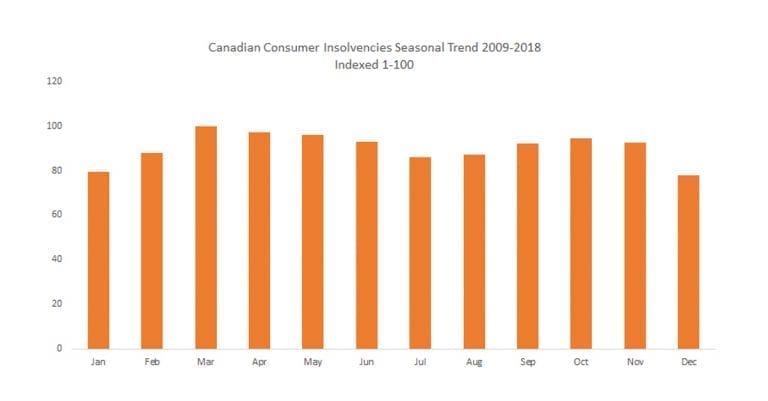
Insolvency Manager Scott Terrio does a deep dive into long term Canadian insolvency statistics to explain the economic and seasonal nature of insolvency filings in Canada.
Has your bank sent you a pre-approved credit limit increase and you’re not sure if you should accept it? Find out what the pros and cons of an increase are, and what decision is right for you.
Doug Hoyes reviews the business side of credit counselling, how agencies are funded by big banks and why it may not always be the best solution to get out of debt.
Are you worried a collection agency will act on their threat and sue you? Doug Hoyes explores how debt collectors obtain files, when they can take you to court and what to do if you have a judgement against you.
Lots of young Canadians are struggling with repaying their student loans for a variety of reasons. But does consolidating government student debt make sense and what other options do you have?
Are you unable to make full payments towards your bills, and creating more debt each month? Find out if you could be eligible for Canadian debt forgiveness and what steps you need to take to move forward.
In Canada, you must have a minimum amount of unsecured debt to file bankruptcy, but how much debt causes bankruptcy is different for everyone. See from our bankruptcy study how much debt tends to lead to insolvency.
Navigating the validity of information on insolvency may be overwhelming due to unregulated businesses claiming their services can help. Learn about what a registered consumer proposal is and who can legally provide them.
Ted Michalos explores the asset profile of the average insolvency debtor from our annual bankruptcy study and explains why most insolvent debtors have very little assets at the time they file insolvency.
Interest depends on the types of loans you borrow. Ted Michalos explains what the criminal interest rate is in Canada, how payday loans are a trap and what to do if you have overwhelming monthly interest.
Some businesses that do your taxes offer ‘cash back’ incentives for using their services, but what does this mean for the consumer? We explain how instant tax refunds really work and the associated costs.
Taking on another payday loan to pay back existing payday loans is not the answer. Learn how a bankruptcy or consumer proposal can eliminate payday loan debt and get the help you need to break the cycle.
Did you know there are several ratios you can use to measure your personal debt risk? Find out how to calculate these ratios and what you can do to apply the knowledge to your financial decisions.
A common, but false, tactic debt collectors use to scare is the threat of jail for unpaid debts. Unless you have committed fraud, find out why jail is not a risk if you default on your debt payments.
Not-for-profit credit counselling agencies still have to get paid, and they earn kickback fees mostly from banks. Learn 5 reasons why these agencies are now just debt collectors and why it matters to you.
Will selling your assets be the solution to your debt problems? What assets should you never liquidate to pay off debt? Doug Hoyes and Ted Michalos explain how to pay off debt and keep key assets.
Learn what happens to “cash windfalls” like an inheritance or lottery win when you file bankruptcy and how you can keep these funds in a consumer proposal.
 Debt Relief Experts