Debt Relief Experts


Can I Keep My Car If I File For Bankruptcy?
Quick Answer:
You can keep your vehicle if you file bankruptcy. In Ontario, you can keep one motor vehicle worth up to $7,117 when you declare bankruptcy. If your car is worth more than the exemption limit, you must pay the trustee the difference to keep it. For financed or leased vehicles, you must continue making your car loan payments to the secured lender to avoid repossession.
What Happens to My Car if I File Bankruptcy?
Very few people who declare bankruptcy in Canada lose their vehicle. You need your car to get to work, so losing your vehicle is not an option. All provinces have laws that exempt one car or truck worth up to a certain dollar limit from seizure by the trustee. To find out what happens to your car after you file bankruptcy, we look at two key questions:
- “What is your car worth?” To determine this, you’ll need to have the vehicle appraised. Most trustees will accept an independent value of opinion – that is, the opinion of someone qualified to sell cars or value cars, who is not related to you or a friend, and who is willing to write out a letter indicating what they believe the fair market value of your car is. Fair market value is the amount that someone (not related to you) would pay for your car.
- “Is your car financed, or do you have a clear title to your car?” Clear title means that there are no liens or other claims to your car. A “lien” is the technical term for pledging your car as security for a debt.
If you file bankruptcy, there are options that can allow you to keep your vehicle, no matter its value.
Keeping an Owed Vehicle In Bankruptcy
If your car is worth less than the provincial exemption limit ($7,117 in Ontario), your bankruptcy does not affect your vehicle. You can research other provincial exemption amounts across Canada here. You can keep one motor vehicle under these exemption rules. If you own more than one vehicle and would like to keep both, a consumer proposal may be a better option.
Most older vehicles qualify for this exemption. Your trustee will look up what is known as the black book value of your car or truck to determine whether your vehicle will be considered property in your bankruptcy or will fall under the provincial exemption limit.
If you own a car outright and the fair market value is more than the exemption limit, you can propose to ‘buy out’ the realizable portion from your trustee over the period of your bankruptcy. If, for example, you have a car worth $8,517, you would have to pay your trustee $1,400. You could do this by making additional payments of $156 during a typical 9-month bankruptcy. If that monthly payment is too much, talk to our trustees about a consumer proposal.
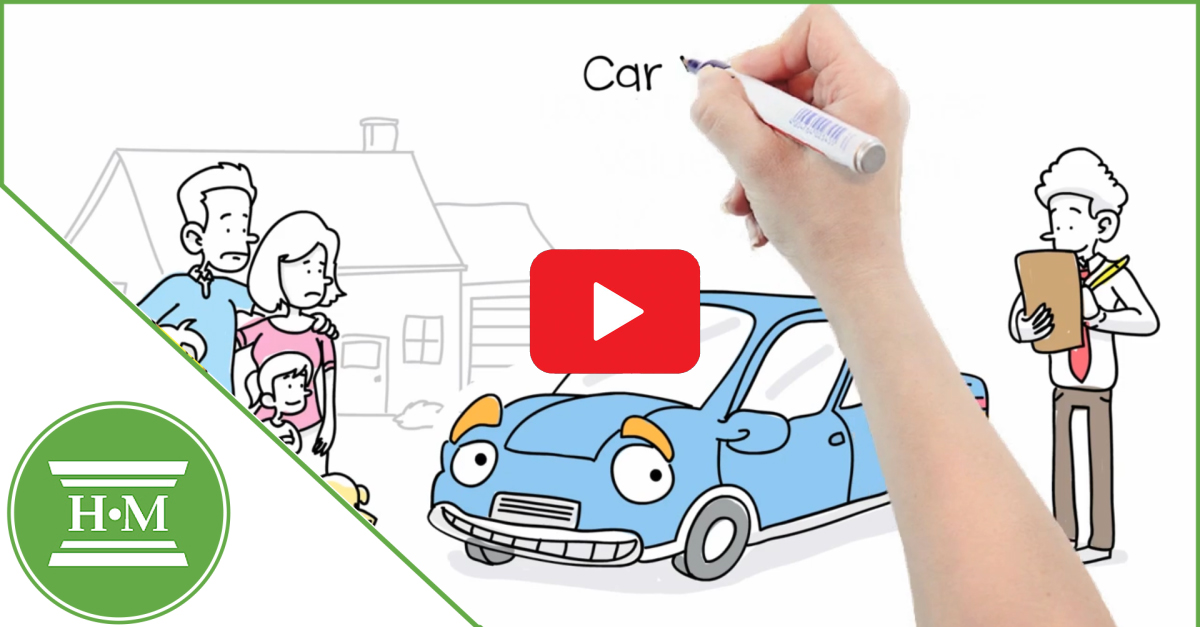
Many people who file for bankruptcy in Ontario, own or lease a car and they need their car for work or for personal reasons. The good news is, in Ontario if you own a vehicle and it is worth $5,650 or less, you get to keep it. Even if it’s worth more, you can still keep your car by paying the difference to the trustee.
If you have a lease or a car loan, you can still keep your vehicle as long as you keep current on your payments. Although it doesn’t happen often, sometimes people decide that their car payments are just too much. If you want, you can give your car back to the lender and let bankruptcy eliminate any balance you have owing.
When you meet with your Hoyes Michalos professional we’ll explain how your car or any other assets are affected by filing bankruptcy.
What Happens To A Leased Or Financed Vehicle in Bankruptcy?
Bankruptcy in Canada deals with unsecured debts. If your car is financed through a lease or car loan, then that debt is considered a secured debt. If you lease or finance a vehicle and file for bankruptcy, you can keep your vehicle as long as you remain current on your car loan or lease payments. Your car lender can, however, repossess your vehicle if you fall behind on your payments, and bankruptcy won’t stop that.
What If You Can’t Afford The Payments?
You can file bankruptcy to get out of a car loan you can’t afford. You can surrender the car to the lender when you go bankrupt so that you are not overpaying for the vehicle. Any shortfall after your lender sells the vehicle will be discharged in your bankruptcy. If you can’t afford your payments or your car loan is in collection, consider handing back the vehicle to the lender. You must return the vehicle to the lender before you file bankruptcy.
Can Unsecured Creditors Take My Car?
While rare, it is possible for an unsecured creditor, such as a credit card company or payday loan lender, to obtain a judgment order and seize your vehicle. Bankruptcy can provide protection and stop these types of creditor actions if you act before they take the car.
File a Consumer Proposal to Keep your Car and Other Assets
A consumer proposal is not a bankruptcy. In a proposal, you make a settlement offer to repay a portion of your debts. Any offer you make is affected by assets you own that are not exempt in a bankruptcy. However, in a consumer proposal, you keep all your assets, including your car and your home.
A proposal may make more sense if you:
- Own multiple vehicles
- Own a car or truck worth more than the allowable limit
- Can afford to make a settlement offer to your creditors.
If you are struggling with debt, know that you don’t lose everything when you claim bankruptcy. Book a free, no-obligation consultation with one of our Ontario Licensed Insolvency Trustees to explore your options.