Debt Relief Experts



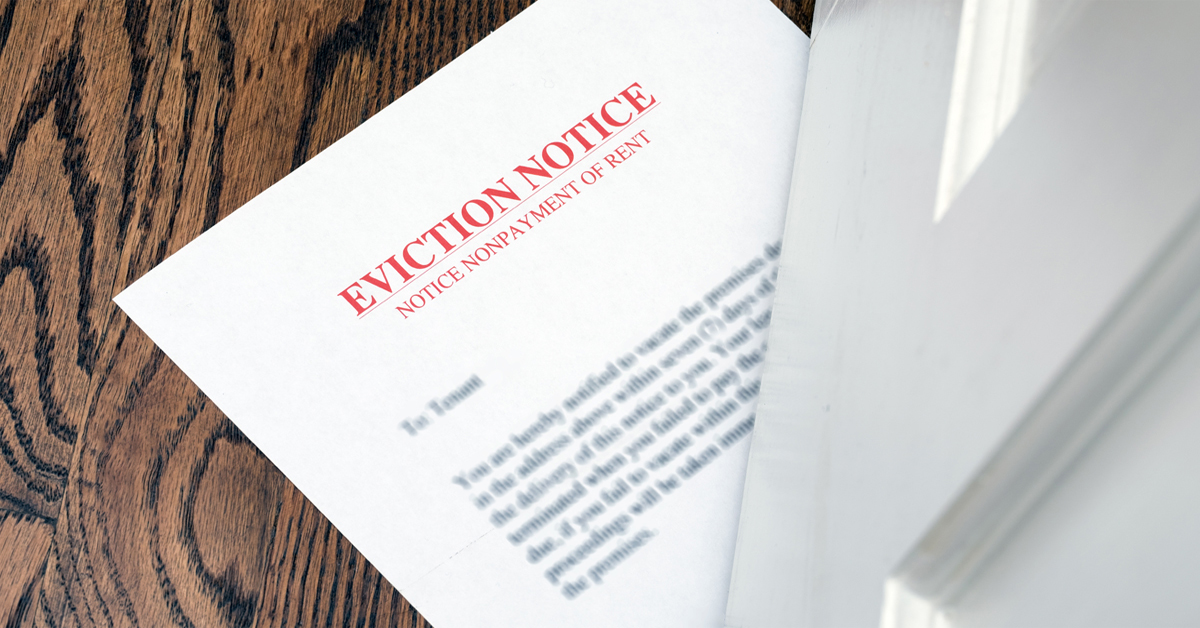
No. A bankruptcy or consumer proposal cannot stop a landlord from evicting a tenant.
This is a confusing area of the law, because a bankruptcy or consumer proposal provides an automatic stay of proceedings that prevents creditors from continuing collection action. That includes landlords, who, after a bankruptcy filing, cannot pursue a tenant for rent arrears. Subsection 84.2(1) of the Bankruptcy & Insolvency Act says you can’t terminate a contract due to bankruptcy (which is why you can keep paying for your secured car loan when you go bankrupt). Subsection 84.2(2) says you can’t terminate a lease due to unpaid rent before bankruptcy (and the case law refers explicitly to families having the ability to maintain some stability while trying to get a fresh start). However, an eviction notice is not a “claim provable” in bankruptcy, and therefore, a bankruptcy or consumer proposal does not stop an eviction proceeding.
Our advice is that if you have rent arrears, you should discuss the issue with your landlord and negotiate payment arrangements as a tenant. If you cannot reach an agreement with your landlord, you should begin finding another place to live.
We realize that finding rental accommodation can be difficult when you have limited cash flow. However, if you have rent arrears, the landlord will eventually obtain an eviction order, so it is better to find new living arrangements before you are evicted. Once you find a new place to live, you can file a consumer proposal or bankruptcy, and unpaid rent up to the date of filing is included as a debt discharged by bankruptcy or forgiven in your proposal.
Eviction process
A landlord must follow specific steps to evict a tenant. Landlord and tenant issues are legislated provincially. In Ontario, these procedures are set out in the Residential Tenancies Act (RTA).
Your landlord will first issue a notice of termination of tenancy, stating the reason for eviction. For rent arrears, your landlord must provide 14 days’ notice if you pay rent monthly.
Your landlord will then apply to the Landlord and Tenant Board for an eviction order. You will receive a Notice of Hearing at which they will review the application. The board may then issue a notice to pay rent arrears or vacate by a specific date.
If you fail to vacate, the Sheriff may also issue a notice to vacate.
Practical Considerations
Again, while we realize it is difficult to find a place to live when you have limited cash flow, the sooner you begin looking for a new place the greater the chances that you can find a new place to live before the landlord begins eviction proceedings.
Once you are in your new place, the rent arrears from your old place can be included in your proposal or bankruptcy.